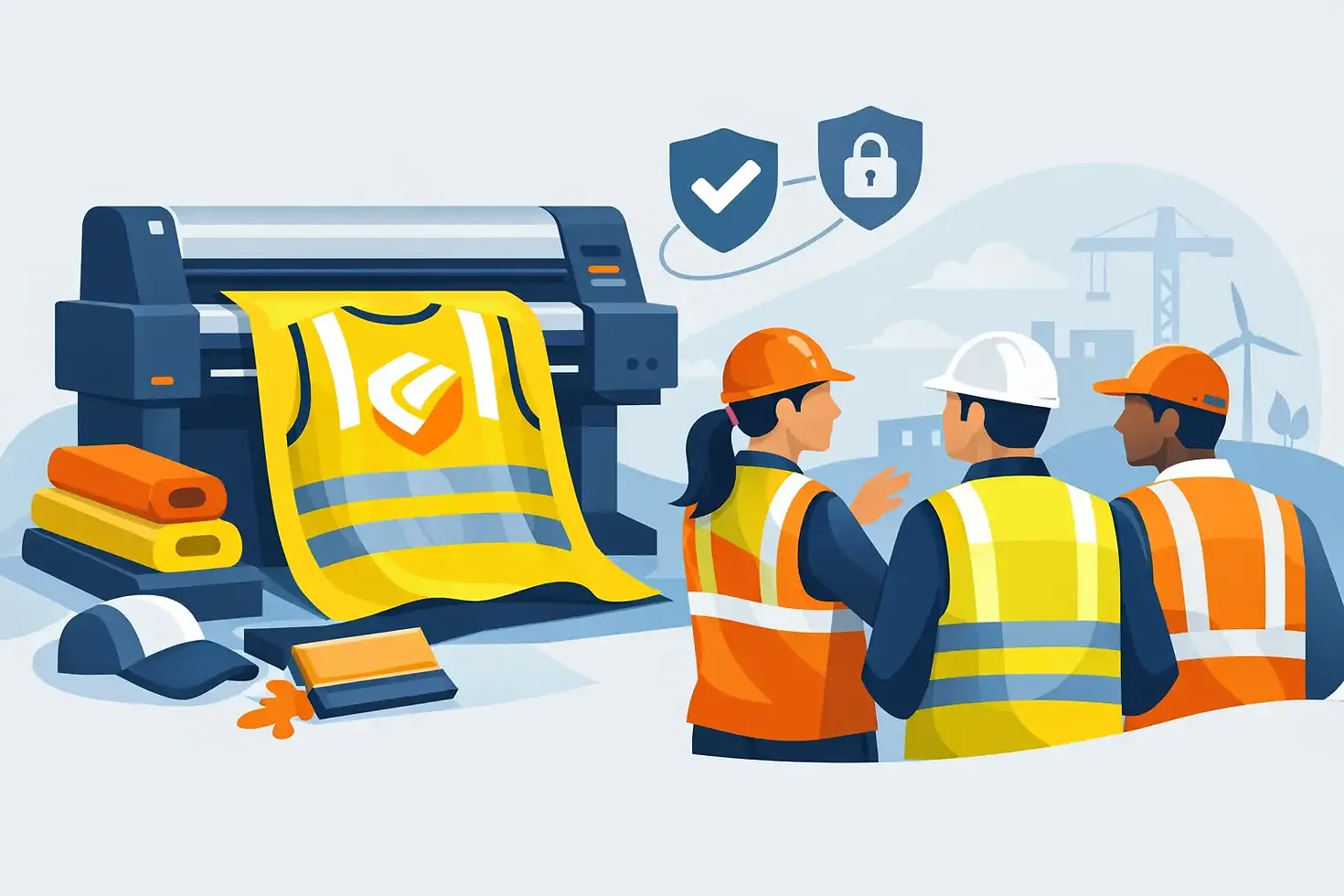
Custom Hi Vis Vest Printing for Safer Teams
- Melbourne Uniforms
- 1 day ago
- 6 min read

A branded hi vis vest has to work before anyone notices the logo. It needs to be comfortable through a full shift, easy to identify at a glance and suitable for the conditions your team faces. Custom hi vis vest printing brings those requirements together, giving crews a consistent, professional look without turning essential safety clothing into an afterthought.
For trades, logistics, construction, councils, events and site-based service teams, a printed vest can make it easier to identify authorised staff, contractors and supervisors. The right result starts with the garment itself, then considers logo placement, print method and the practical realities of repeat ordering.
Start with the job, not the logo
Not every hi vis vest serves the same purpose. A lightweight day-use vest may suit traffic management support, warehouse visitors or outdoor events, while a heavier vest with pockets and a zip front may be more useful for site supervisors, delivery crews and field technicians. Some teams need a simple tabard style that can be worn over existing workwear. Others require a vest that forms part of their standard daily uniform.
Think about where and when the vest will be worn. Day-only work, night work and combined day-night conditions can require different garment designs and reflective tape configurations. If staff work near vehicles, machinery or moving plant, visibility requirements deserve particular attention. High visibility clothing supports safer work practices, but it is only one part of a wider safety system.
Fabric choice matters as well. Polyester mesh is light and breathable for warm conditions, while solid polyester fabrics can provide a neater finish and greater structure for regular wear. If the vest will be worn over jackets in winter, allow enough room for layering. A vest that is too tight, too short or uncomfortable is less likely to be worn correctly.
Check compliance before artwork is approved
Where hi vis garments are specified for a worksite or contract, check the applicable requirements before ordering. This may include garment class, fluorescent colour, reflective tape layout and relevant Australian Standards. Requirements can also be set by a principal contractor, government department or site safety policy.
Printing must not cover reflective tape or interfere with the garment's visibility features. A large back print can look effective, but it needs to sit in the available decoration area. The same applies to front chest logos, names and job titles. A supplier that understands branded workwear can help position artwork sensibly, rather than treating a safety vest like a standard promotional tee.
Custom hi vis vest printing options that suit workwear
The best print method depends on the vest fabric, logo detail, expected wear and order volume. There is no single method that suits every logo or workplace.
Screen printing is a dependable option for larger runs with bold, solid-colour artwork. It produces a clean, durable finish and is often cost-effective when many vests carry the same design. It is particularly well suited to simple logos, business names and high-contrast text on the back of a vest. Set-up costs can make it less economical for a small order with frequent artwork changes.
Heat transfer printing is useful for smaller runs, individual names, numbering and more detailed full-colour logos. It allows greater flexibility when each garment needs different information, such as team roles or contractor identification. The quality of the transfer and correct application are critical, especially on lightweight fabrics that move and stretch during use.
Digital print transfers can reproduce fine lines, gradients and multiple colours without the colour limitations of traditional screen printing. They are a practical choice when brand artwork is detailed or when a business needs a modest number of branded vests quickly. For hard-wearing daily workwear, discuss the intended use so the decoration method matches the demands of washing, abrasion and outdoor exposure.
Embroidery can be appropriate on selected heavier vest styles, particularly for a small chest logo, but it is not always the first choice for hi vis vests. It adds texture and a premium appearance, yet needle holes and heavier backing can affect lightweight fabrics. Printing is generally more suitable where a large logo, clear back identification or minimal garment weight is required.
Plan logo placement for visibility and function
Most organisations benefit from a simple layout: a logo on the left chest and a larger business name or logo across the upper back. This makes the brand recognisable when staff are facing customers and when they are working away from them. It also leaves room for essential tape, pockets, zips and access points.
A logo does not need to be oversized to be effective. On a hi vis vest, the garment already attracts attention. The printed design should be legible at a sensible distance, with enough contrast against the fluorescent fabric. Dark navy, black and charcoal often read clearly, while lighter logo colours may need an outline or alternative treatment to stand out.
Consider whether staff need extra identification. A role title such as WARDEN, TRAFFIC CONTROL, SECURITY, FIRST AID or SITE SUPERVIS can assist on busy sites and public-facing events. Names and numbers are useful where teams need quick individual identification. These additions should remain clear, consistent and secondary to the safety features of the vest.
Artwork preparation can prevent delays and disappointing print results. Vector files such as AI, EPS or print-ready PDF files provide the clearest result for logos and lettering. High-resolution PNG files may also be suitable for some print methods. If the supplied artwork is low quality, fine text may blur and small details may need to be simplified before production.
Make durability part of the buying decision
A vest is rarely worn once. It is pulled on over workwear, exposed to dust and weather, washed repeatedly and stored in vehicles, lockers or site sheds. The print needs to hold up alongside the garment.
Ask how the vest should be washed and whether the selected print method has particular care requirements. Following garment care instructions helps maintain fluorescent colour, reflective performance and print adhesion. Avoid assuming that a domestic wash routine is suitable for every worksite. Industrial laundering, heavy soil and frequent high-heat drying can shorten the life of both garments and decoration.
The cheapest vest can create higher costs if it fades, tears or loses its professional appearance after a short period. On the other hand, premium features may not be necessary for temporary visitor vests or occasional promotional use. Match the garment grade to the job, expected replacement cycle and the impression you need to make.
Keep bulk uniform orders straightforward
For organisations managing multiple locations or changing staff numbers, consistency is as valuable as the initial price. Keeping an approved vest style, logo size, print colours and placement on file makes reorders faster and helps new starters match the existing team.
Before placing a bulk order, confirm sizes, quantities and who needs individual names or roles. It is worth collecting this information in one final schedule rather than sending updates across several emails. For mixed teams, include a sensible range of sizes and consider whether women’s fit options or larger layering sizes are needed.
A sample or artwork proof is useful for checking spelling, logo position and scale before production begins. This is especially important when a back print includes a phone number, licence detail, department name or safety designation. A small approval step can prevent an expensive batch of incorrect garments.
Working with one supplier for both blank hi vis apparel and garment branding also reduces the risk of mismatched stock, unsuitable decoration or separate delivery schedules. Melbourne Uniforms can source suitable workwear and apply professional printing or embroidery as part of a single uniform order, with obligation-free quotes for businesses planning staff apparel programs.
Questions to settle before requesting a quote
Provide the intended use of the vests, required quantities, size breakdown, preferred garment style and the number of print locations. Include your logo files and specify whether every vest has the same artwork or whether names, roles or numbers will vary. If the worksite has compliance requirements, share those upfront.
It also helps to state your required delivery date, particularly for project mobilisations, events or new contract starts. Lead times can vary according to garment availability, decoration method, artwork readiness and order size. Clear information at the quote stage leads to a more accurate recommendation and fewer changes later.
A well-planned hi vis vest order gives your team a professional identity while respecting the role the garment plays on site. Choose a vest that suits the work, keep print areas clear of safety features and use artwork that staff and customers can read quickly. That approach makes every re-order easier and gives your crew uniforms they can rely on from the first shift onward.



Comments